Kshamenk
 The Whale The World Forgot
Kshamenk was an approximately 37-year-old male orca who spent more than three decades in captivity, confined to the smallest orca tank in the world at Mundo Marino in Argentina, until his death on December 14, 2025.
Captured from the wild in 1992 off the coast of Buenos Aires when he was 4–6 years old, he was the last captive orca in South America and one of the most heartbreaking symbols of marine mammal captivity.
Originally part of a pod that roamed the Atlantic waters of Argentina, Kshamenk was reportedly “rescued” after a stranding incident. However, many animal welfare experts and activists believe Mundo Marino deliberately caused the stranding to capture orcas for display in order to circumvent Argentina’s strict laws against capturing wild orcas for entertainment. He was never released.
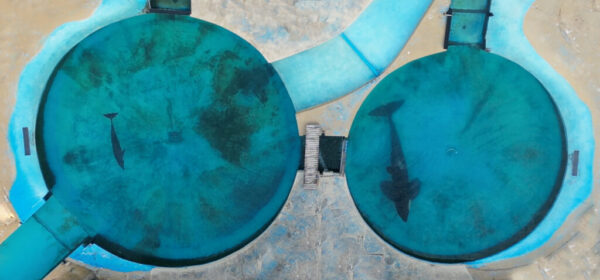
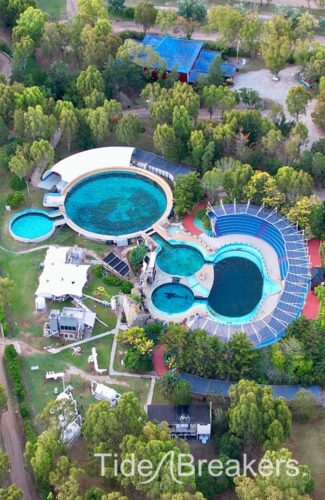
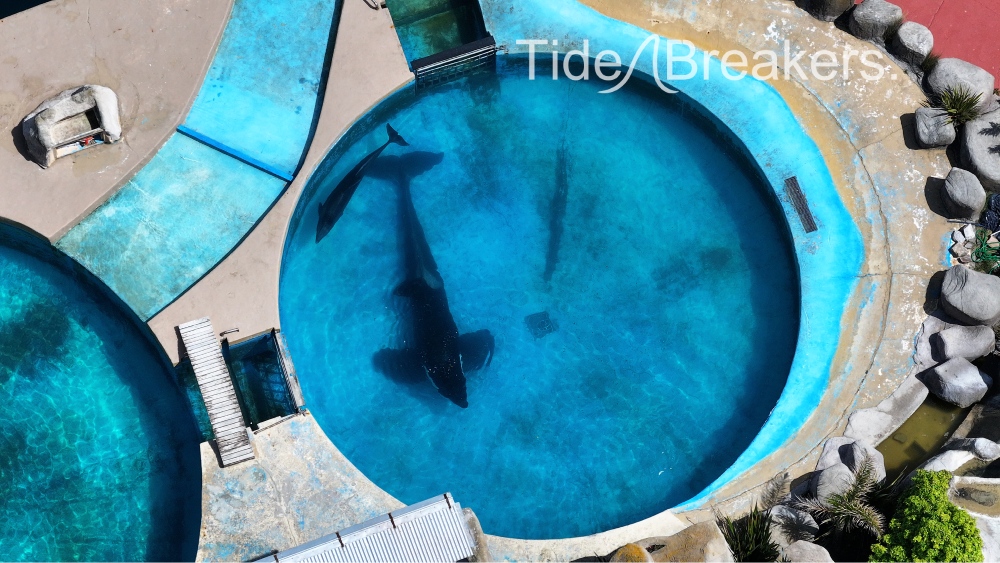
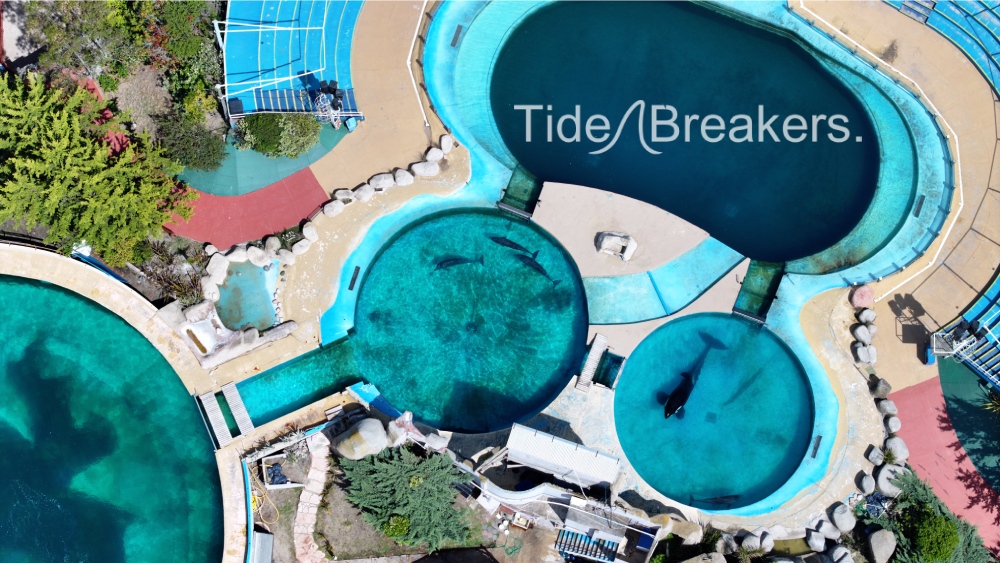
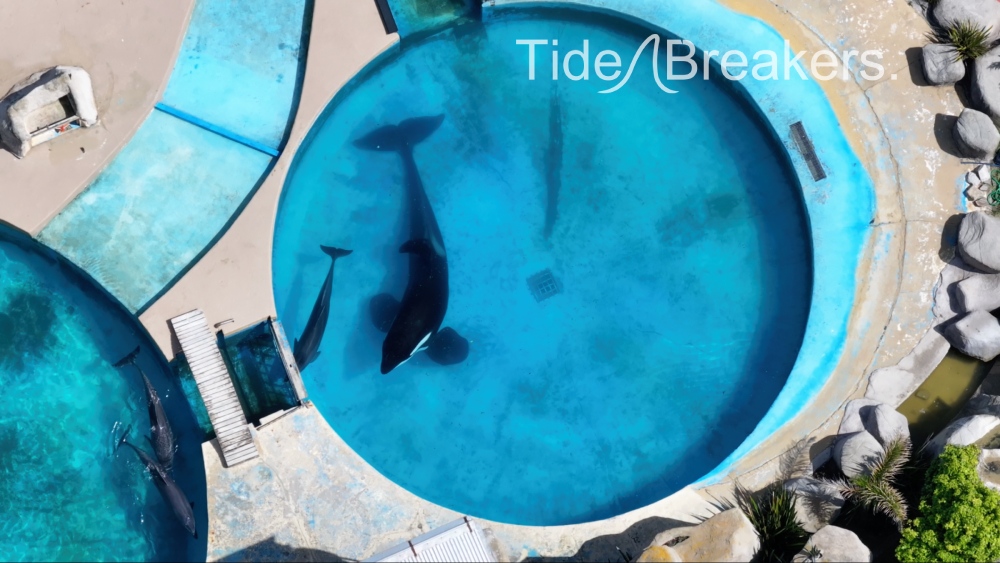
Since then, he had been trapped at Mundo Marino, where he was forced to perform for decades until he died in 2025. The tank he lived in was shockingly small for an orca. Kshamenk was 19 feet long and spent most of his days just lying on the bottom of his barren 20-foot-deep tank, occasionally coming up for air.
In contrast, wild orcas swim up to 150 kilometers per day in complex ocean ecosystems. In captivity, Kshamenk couldn’t even dive or turn properly.
Kshamenk hadn’t seen another orca since 2000, when his tankmate—a female orca named Belén—died, and he remained isolated until the end of his life. Orcas form exceptionally strong social bonds, often living in lifelong family groups. Isolation causes significant psychological distress in orcas, leading to depression, aggression, and stereotypical, repetitive behaviors.
The only companion Kshamenk had was a female bottlenose dolphin named Floppy.
Kshamenk lived at Mundo Marino but was owned by the Argentinian government. Despite growing public awareness and pressure urging the government to take action, no steps were taken to improve his conditions or release him before his passing, underscoring the tragic consequences of marine mammal captivity.
Now, TideBreakers continues the fight in Kshamenk’s name, with the goal of bringing Ley Kshamenk into effect—a law that would prohibit orca captivity in Argentina and serve as his enduring legacy—while also engaging lawyers in Argentina to investigate the circumstances surrounding his death.
Timeline
-
1986–1988 (approx.) – Kshamenk is born
-
November 19, 1992 – Kshamenk is captured
near San Clemente del Tuyú. Mundo Marino claims it was a “rescue” following a stranding. Since then he’s kept in Mundo Marino with Belén, female orca.
-
February 4, 2000 – Belén dies.
Kshamenk hasn’t seen another one of his species ever since, making him one of the most socially deprived orcas in captivity.
-
2002 NMFS receives an application from SeaWorld to import Kshamenk’s sperm
Despite Argentina’s laws against the commercial exploitation of wildlife, SeaWorld has since used Kshamenk’s genetic material for breeding in its U.S. parks, without ever housing or caring for him directly.
-
July 6, 2022 – The first version of the Ley Kshamenk is introduced in the Argentine Senate
Aiming to ban marine mammal shows and captivity unless for rehabilitation and reintegration purposes. The bill does not advance.
-
November 3, 2023 – The Ley Kshamenk is reintroduced in the Chamber of Deputies
by the NGO Derechos Animales Marinos (DAM) and other advocates. They present over 690,000 signatures supporting the bill. The proposal seeks to prohibit marine mammal shows and captivity without rehabilitation purposes, and to penalize the commercialization of their genetic material.
-
December 14, 2025 – Kshamenk dies
Despite the tireless efforts of organizations like TideBreakers, DAM, and others to secure his relocation and improve his conditions, Kshamenk tragically passed away on December 14, 2025, still confined in captivity.
-
NOW
TideBreakers continues the fight in Kshamenk’s name, with the goal of bringing Ley Kshamenk into effect—a law that would prohibit orca captivity in Argentina and serve as his enduring legacy—while also engaging lawyers in Argentina to investigate the circumstances surrounding his death.
REMEMBERING KSHAMENK